From Overstimulated to Optimized: The Business Case for Sensory Rooms
Crowded spaces can overwhelm. A well-curated sensory room reduces cognitive load with softer light, quieter sound, predictable layout, and simple instructions—so guests can reset and rejoin feeling safe and confident.
What We Deliver
Quiet, tactile, and movement areas
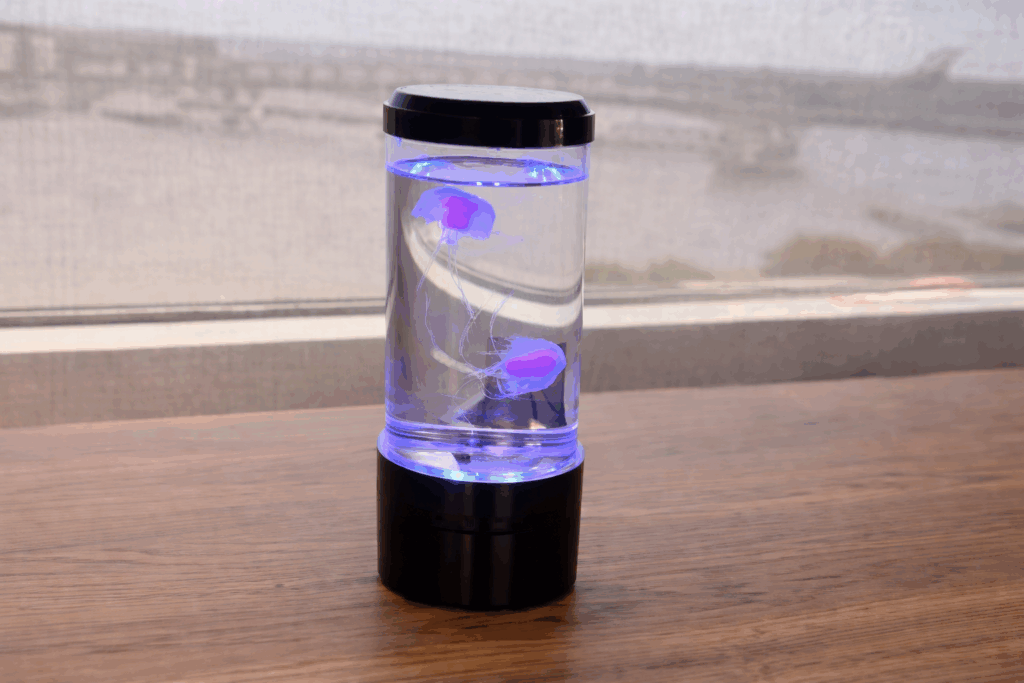
Dimmed lamps, soft fabrics, fidgets toys
Clean staffed entry and timed sessions
Why a Sensory Room, Why Now?
Disability & Mental Health Are the Norm, Not the Exception
The CDC reports that over 61 million U.S. adults, about 1 in 4, have a disability.
Many of those disabilities affect cognition, concentration, or sensory processing, 14% of adults have a cognitive disability (serious difficulty concentrating, remembering, or making decisions).
More often than not, most disabilities are invisible and those who have them may:
Be highly sensitive to noise, light, and crowds
Experience panic, fatigue, or migraines during the day
Need short, restorative breaks to remain productive and engaged
A sensory room provides structured, stigma-free support for these needs.
From Overstimulated to Optimized: The Business Case for Sensory Rooms
Boosts performance & retention
When people feel supported, they stay longer and work better. Sensory rooms are a visible commitment to well-being and inclusion that improves morale, productivity, and trust without requiring a massive operational lift.
Reduces stress & sensory overload
Offering a regulated space to decompress, helping lower anxiety, prevent burnout, and support focus for neurodivergent individuals, people with disabilities, veterans, and those navigating high-stimulus environments.
Sensory Room Solutions Built for Calm, Care, and Performance
Built for neurodiversity, accessibility, and modern events and workplace realities.
34 Lesson
Rated 3 out of 5
The Reset
Ideal for smaller conferences, community events, nonprofits, or organizations piloting sensory inclusion for the first time.
Get occasional updates, ideas, and real-world examples of how thoughtfully curated sensory rooms support accessibility, wellness, and inclusion across workplaces, schools, and events.